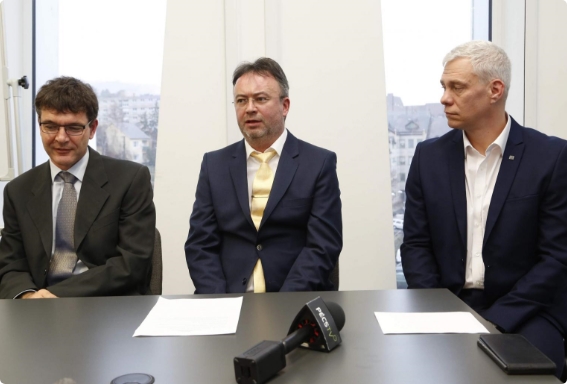
Cooperation with the Industrial and Innovation Advisory Board
Our company has been invited by Board President Szabolcs Rabb to participate in a mutually effective cooperation which helps the professional relations in the field of bioinformatics and the cooperative work of the companies.
iBioScience Ltd. aims to contribute to the siginificant professional work of the Advisory Board. In addition to the professional experience gained in the fields of IT and Bioinformatics, the employees of iBioScience Ltd. wish to encourage the research groups and professional bodies to apply the new generation sequencing methods by jointly conducting R&D projects. This can open new innovation perspectives in the future.
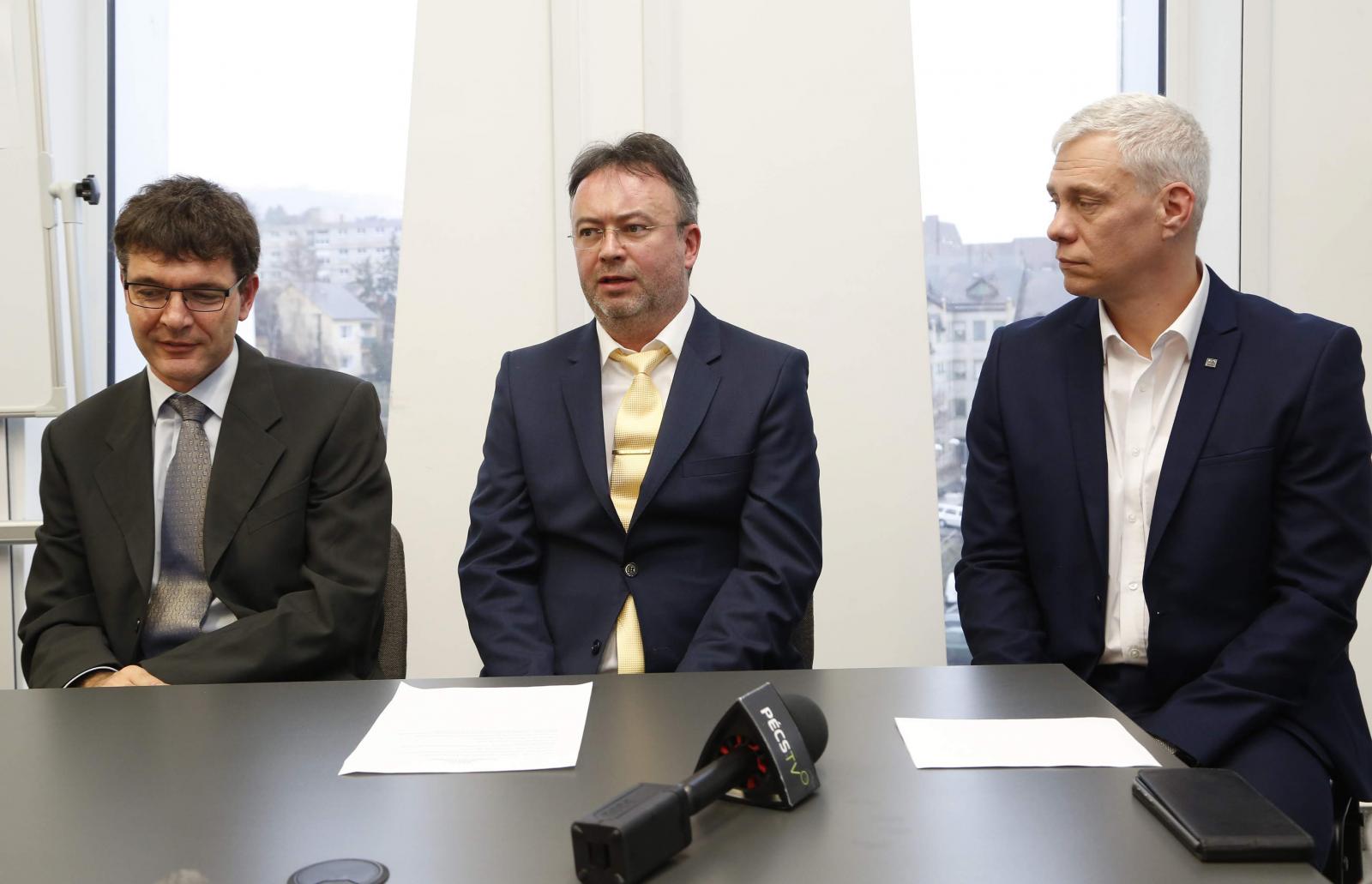

Research in Focus
Research in Focus
’Our mission is to stimulate scientific research in the field of biotechnology’
Attila Samu, Sales Manager




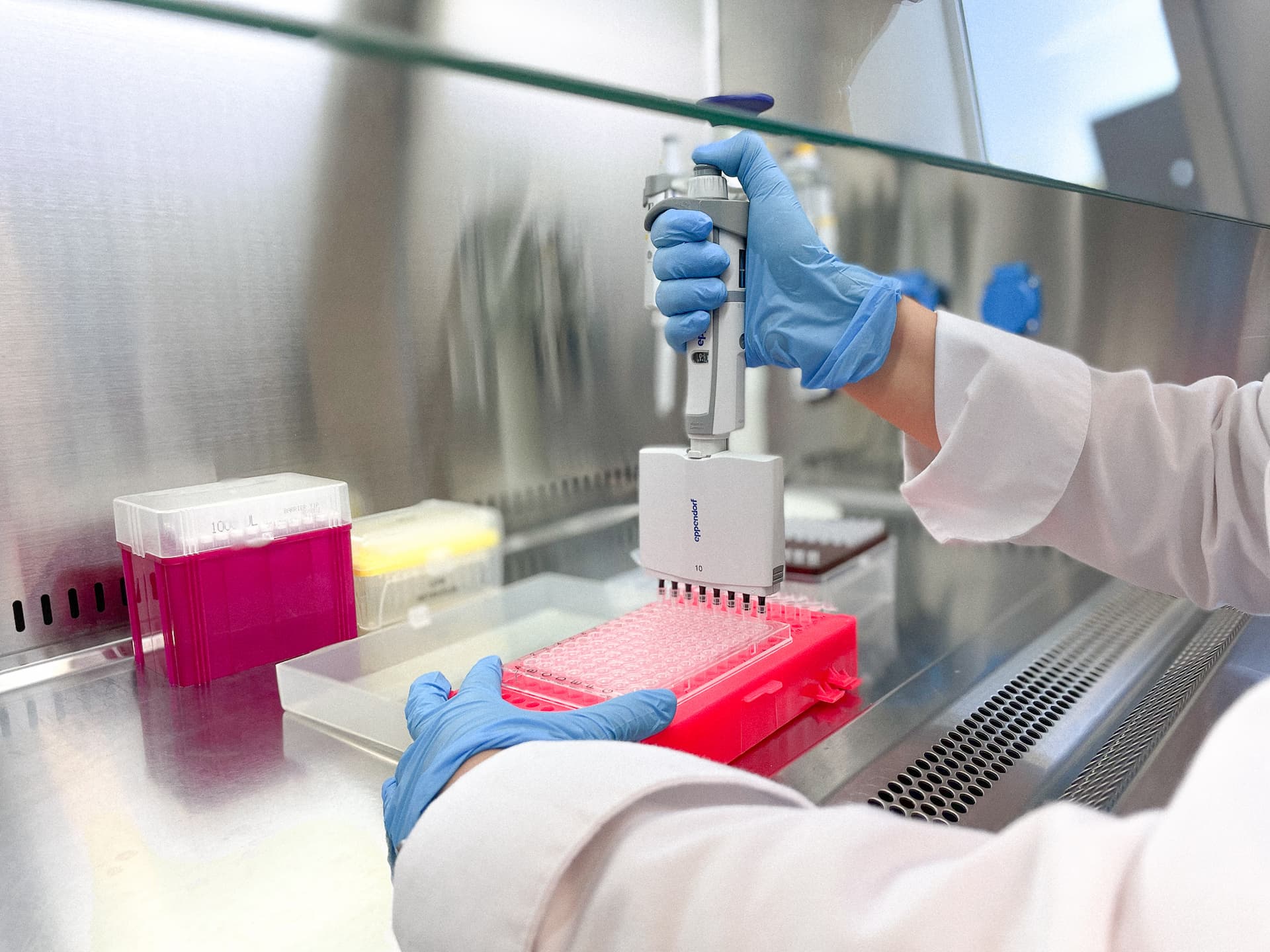
COVID-19 testing
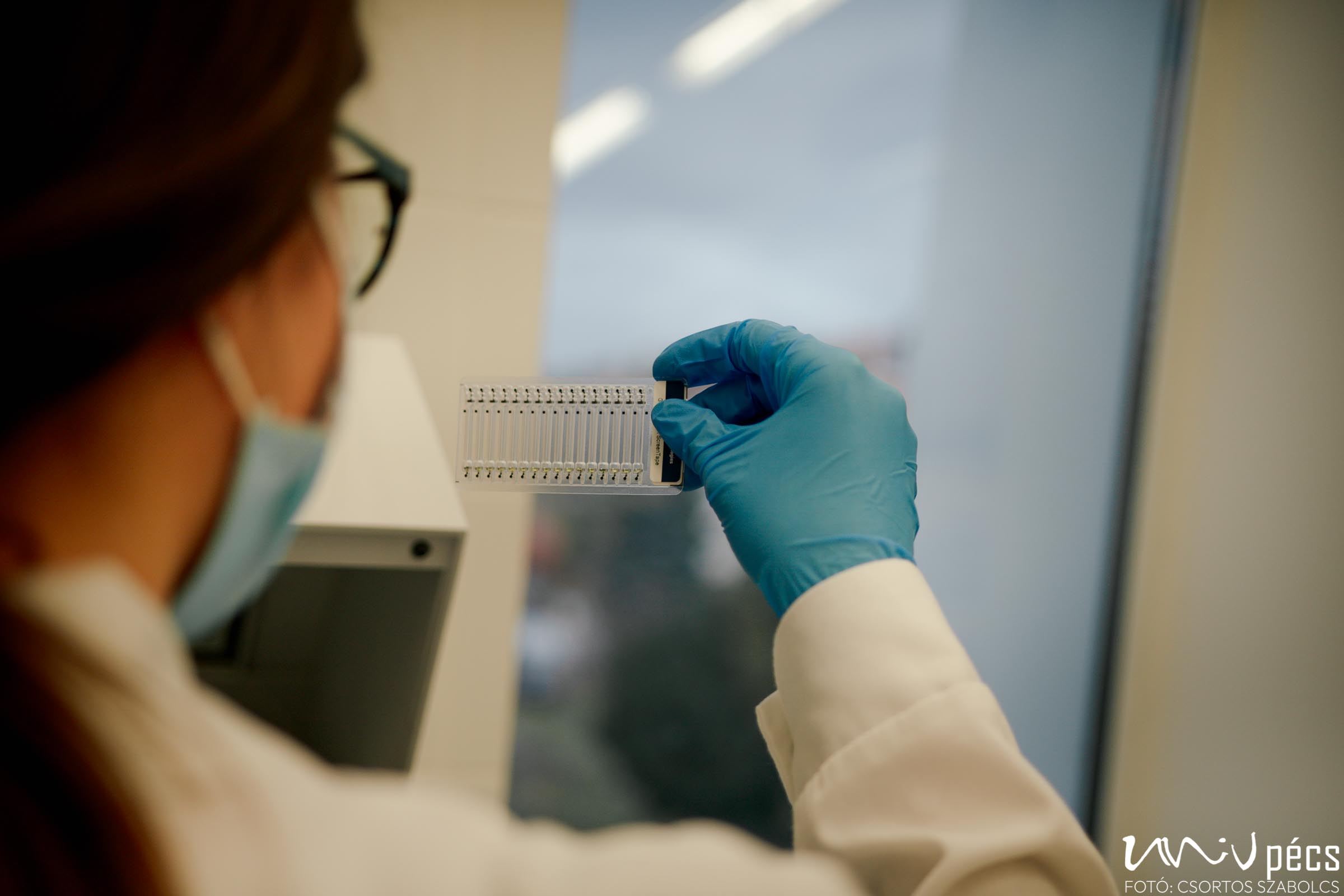
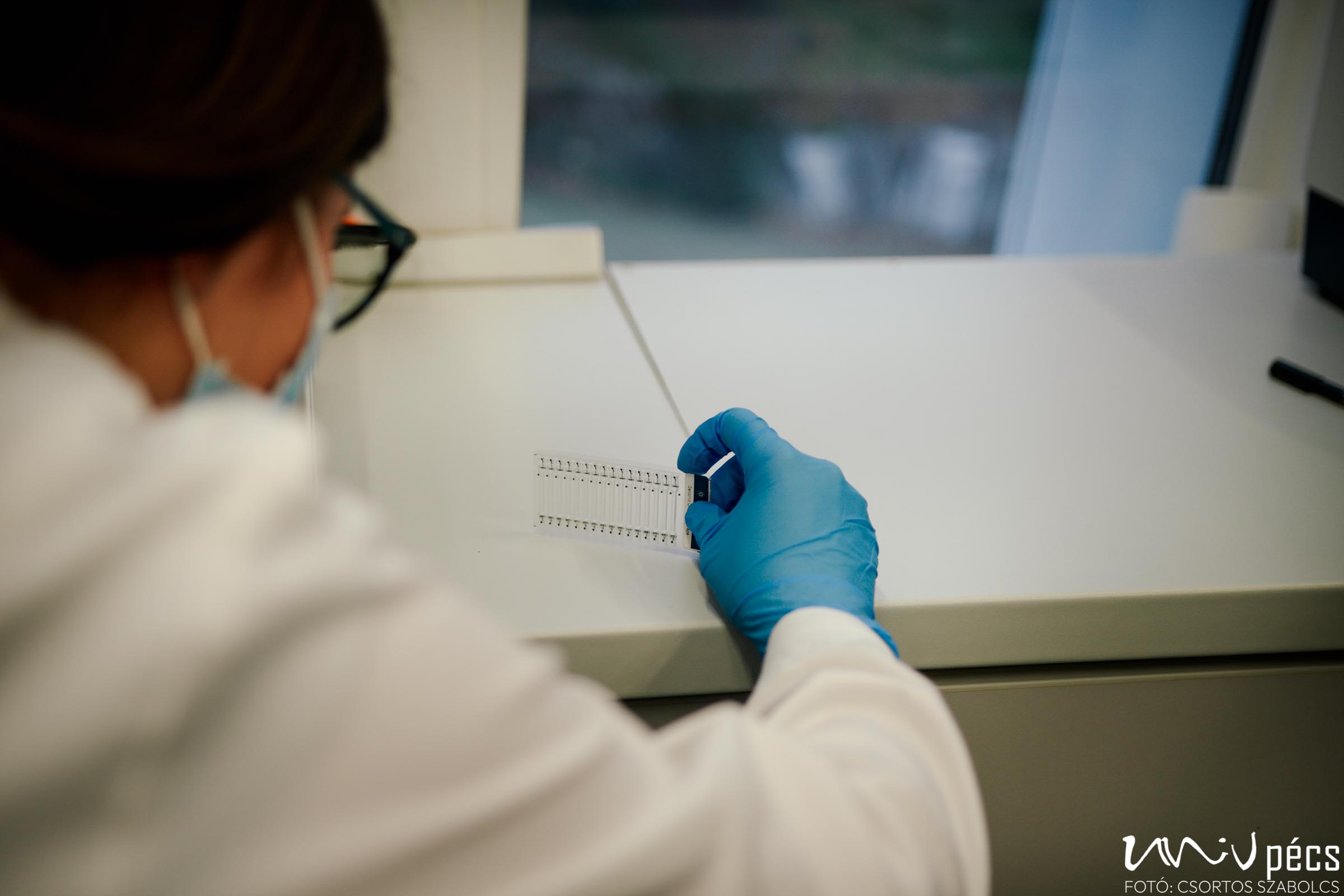
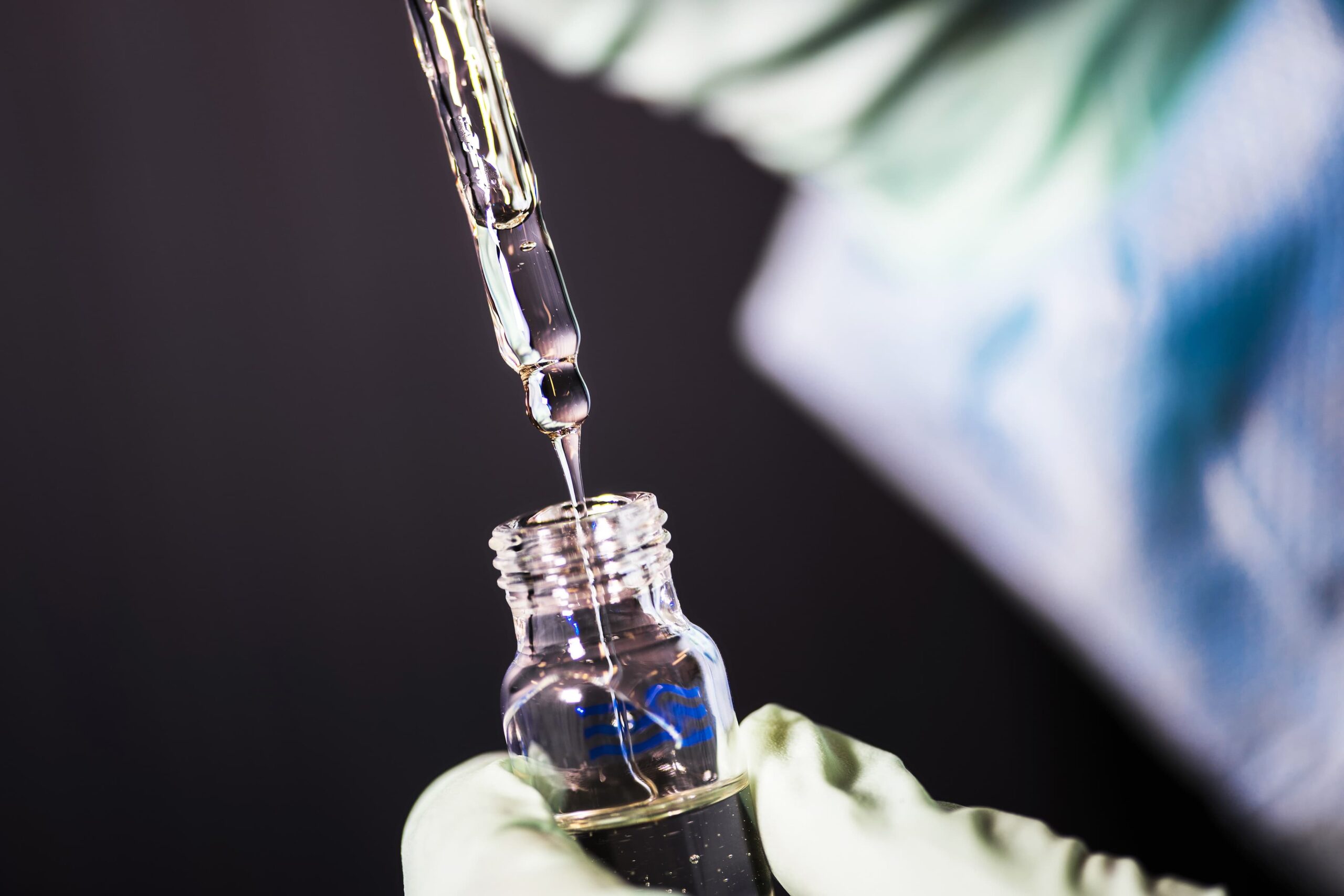
iBioScience Ltd. In close cooperation with the Szentágothai Research Center (University of Pécs) and the Department of Laboratory Medicine (Pécs University Clinical Center) iBioScience Ltd. is utilizing its technological capacities to join the fight against coronavirus with a self-developed PCR-based screening program in preparation for the phase of mass diseases caused by the virus.
Regular screening allows for continuous and effective work, providing a kind of preventive background for employers. And it is essential for employees to have this sense of security that the Employer can provide in the coming months by using an effective screening test.
Our goal is to make available a type of screening method to employers that, unlike rapid tests, determines the presence of viral genetic material in a sample. That way infection can be determined with 100% confidence without symptom onset.
Innovative Biomedical Research
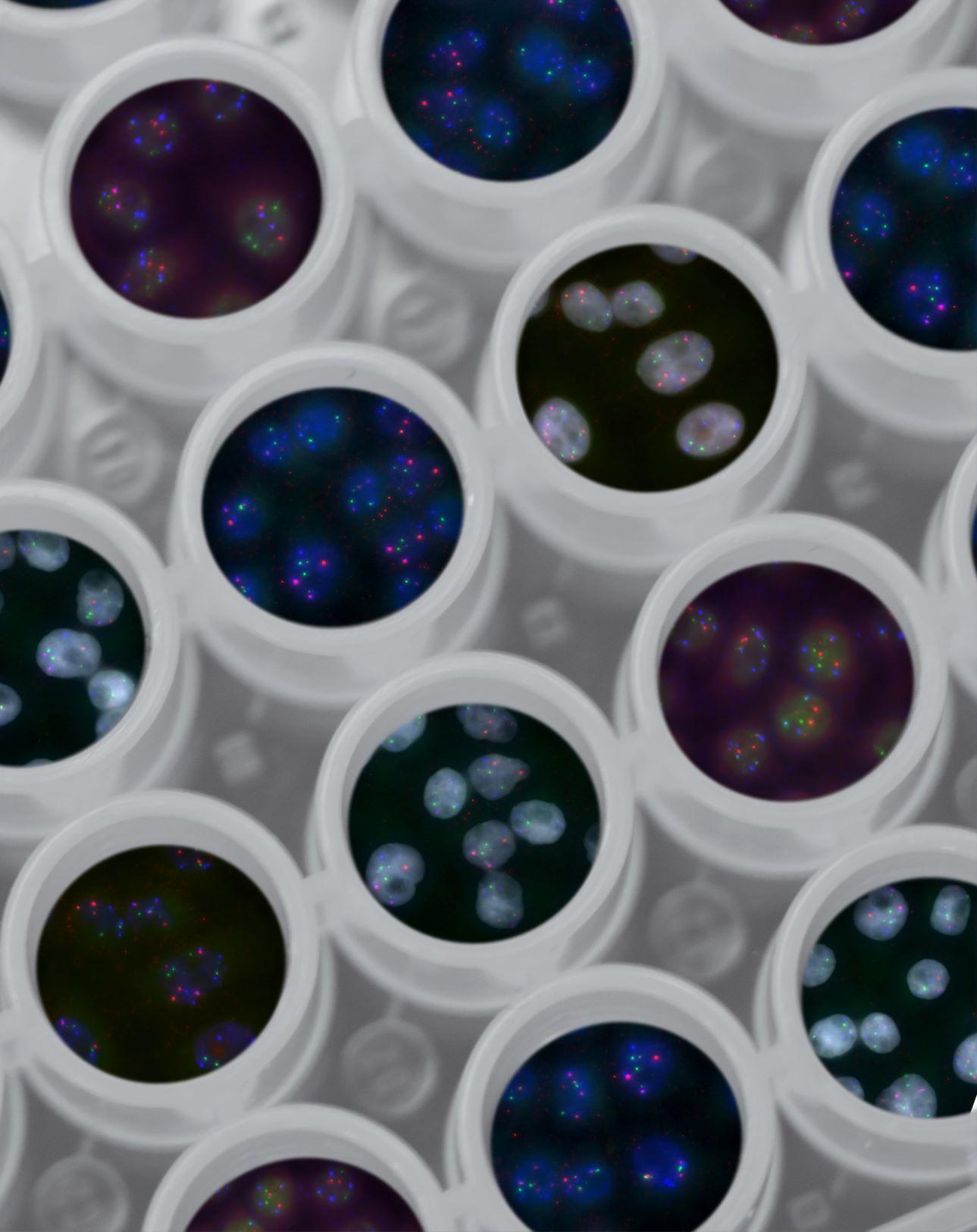
’Next-generation sequencing technologies are revolutionizing biomedical research.
This really changes everything – it will help patients and their families alike.’
Károly Fehér, managing director

Start of the Hungarian Genome Program
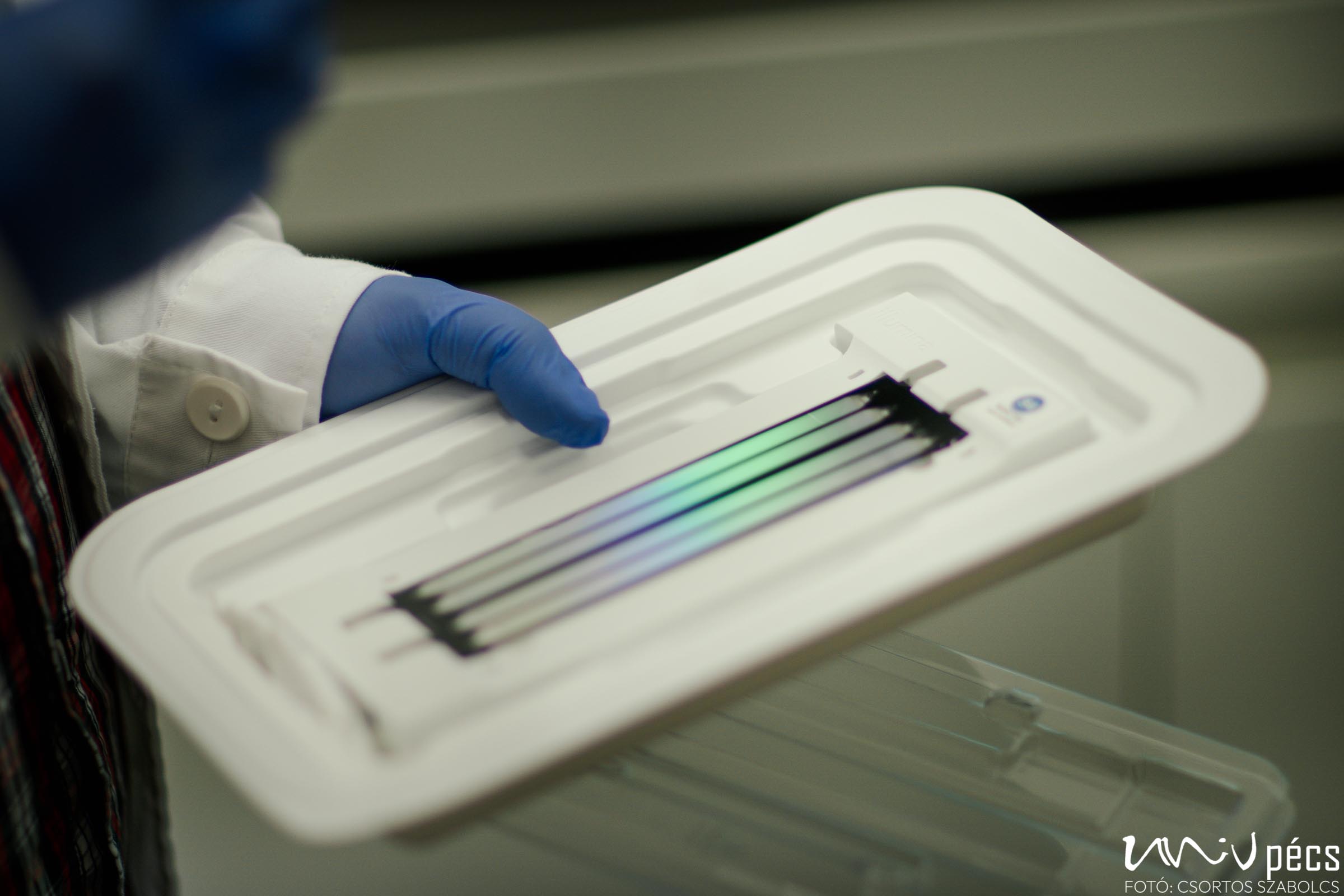
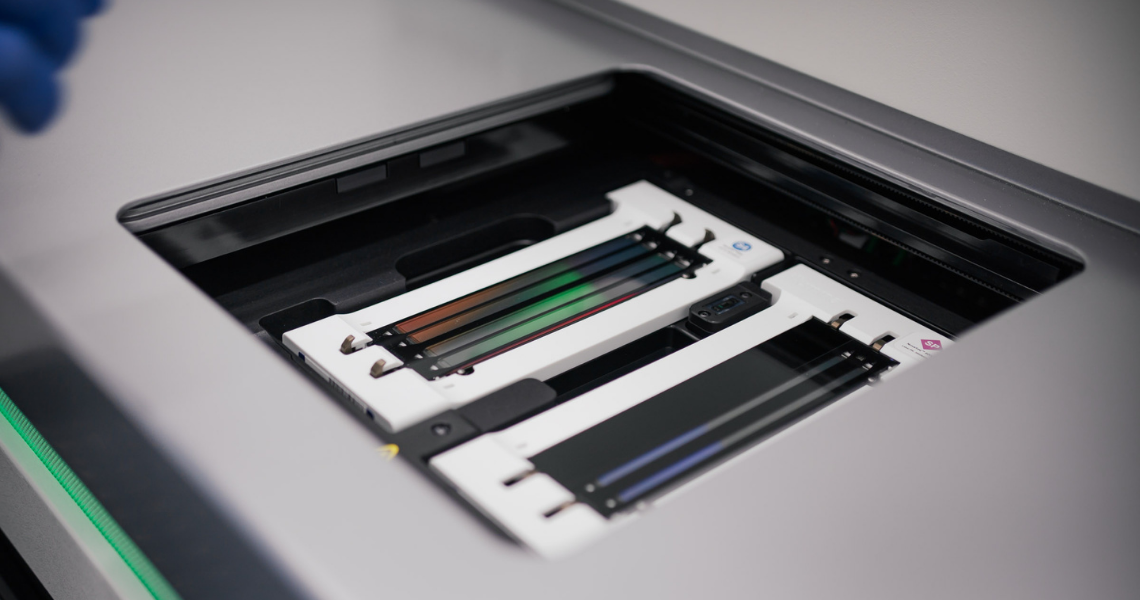
In close cooperation with the Szentágothai Research Center (University of Pécs), iBioScience Ltd. provides the Hungarian scientific community with the most modern next-generation sequencing technology and background expertise. . At the Research Center, the company supports the application of next-generation sequencing in research, technology development and diagnostics with instrumentation and specialists.
’Genomics holds an enormous opportunity because both rare diseases and cancer are closely linked to changes in the genome.
We expect great interest from Hungarian patients and their families who would take part in this pioneering project.
We plan to sequence 10,000 whole human genomes, determine the order of the building blocks of the hereditary material, that is, assess the participants’ genetic status.
The project will in fact focus on patients with rare diseases and their families, as well as cancer patients, but we also plan to conduct population genomics studies.
Our goal is a voluntary, consensual and ethical program that benefits patients. We are confident that we can facilitate scientific discoveries that will be able to kick-start a Hungarian genomics industry.
The management of the University and the Szentágothai Research Center attracted Hungarian professionals from abroad who set up, run and developed such institutes and research groups at renowned European biotechnology organizations.
An important milestone was to win two European Union and Hungarian joint funding which have enabled us not only to acquire and manage personnel but also to operate the required world-class research infrastructure.
The most important will be to make personalized, precision medicine even more widespread in Hungary which will yield results not only in research, but also in everyday diagnostics.’
Dr. Gyenesei Attila
Head of the Bioinformatics Research Group (Szentágothai Research Center)


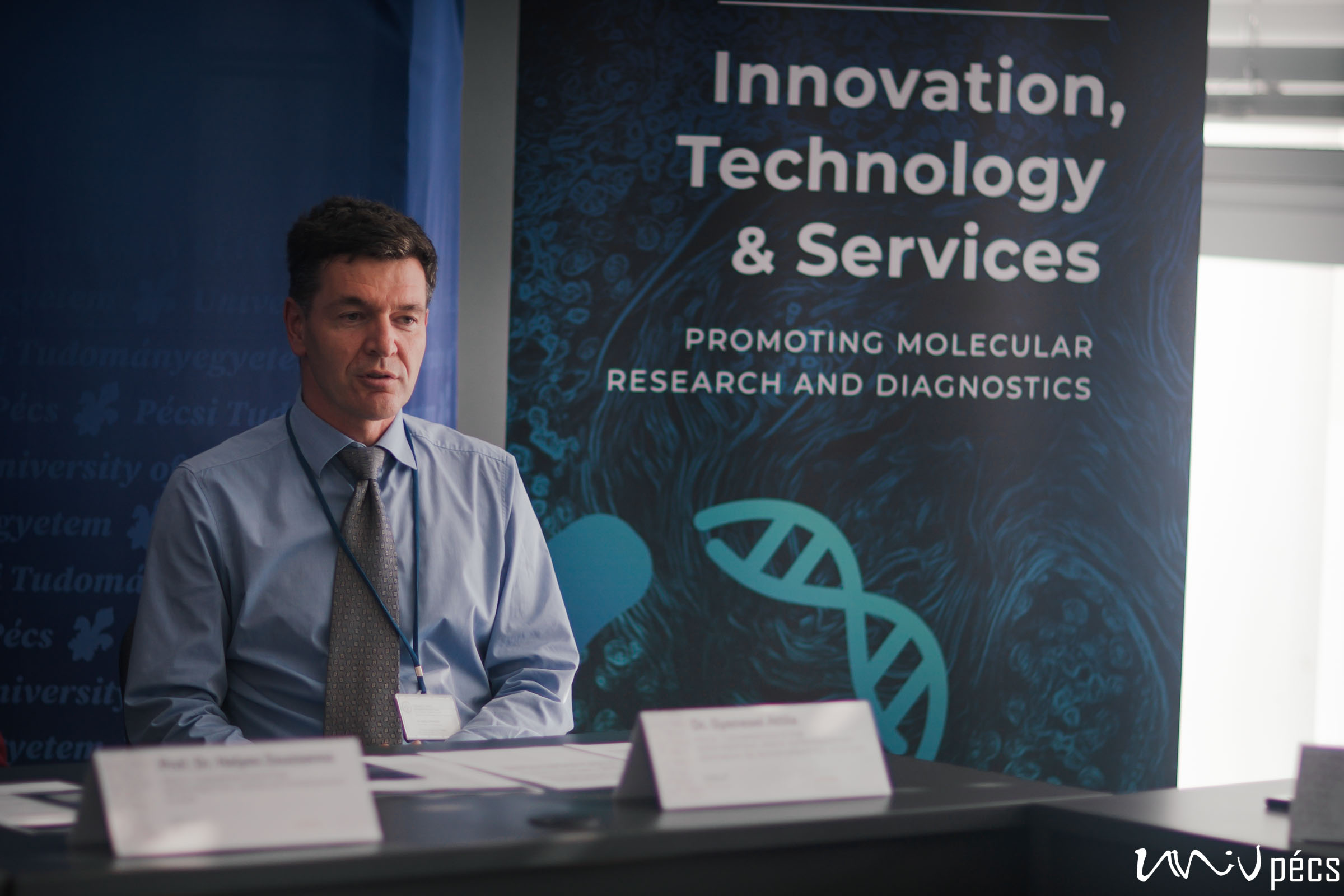


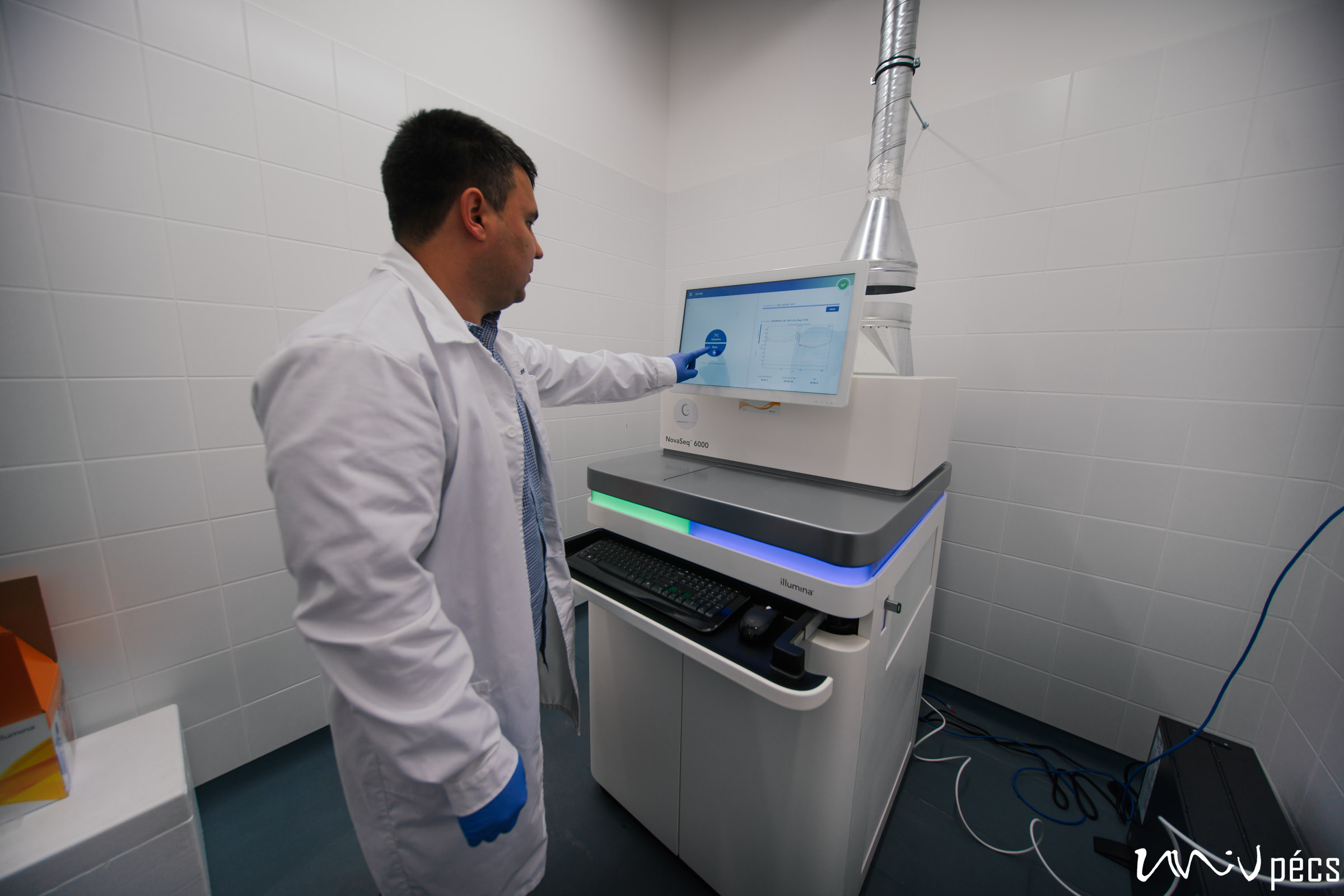


Hungarian Center for Genomics and Bioinformatics
The role of research infrastructures is prominent in both exploratory and applied research. Strengthening their development and visibility is important from both a scientific and a national economic point of view. They also contribute to increasing Hungary’s economic performance. Strengthening their development and visibility is important from both a scientific and a national economic point of view.
As part of the research infrastructure route planning process, the National Research, Development and Innovation Office (NRDI) identified Hungary’s ’TOP 50’ excellent research infrastructure through a questionnaire survey. They provide services that enable high-level research and outstanding technological developments either on their own or in a networked form.
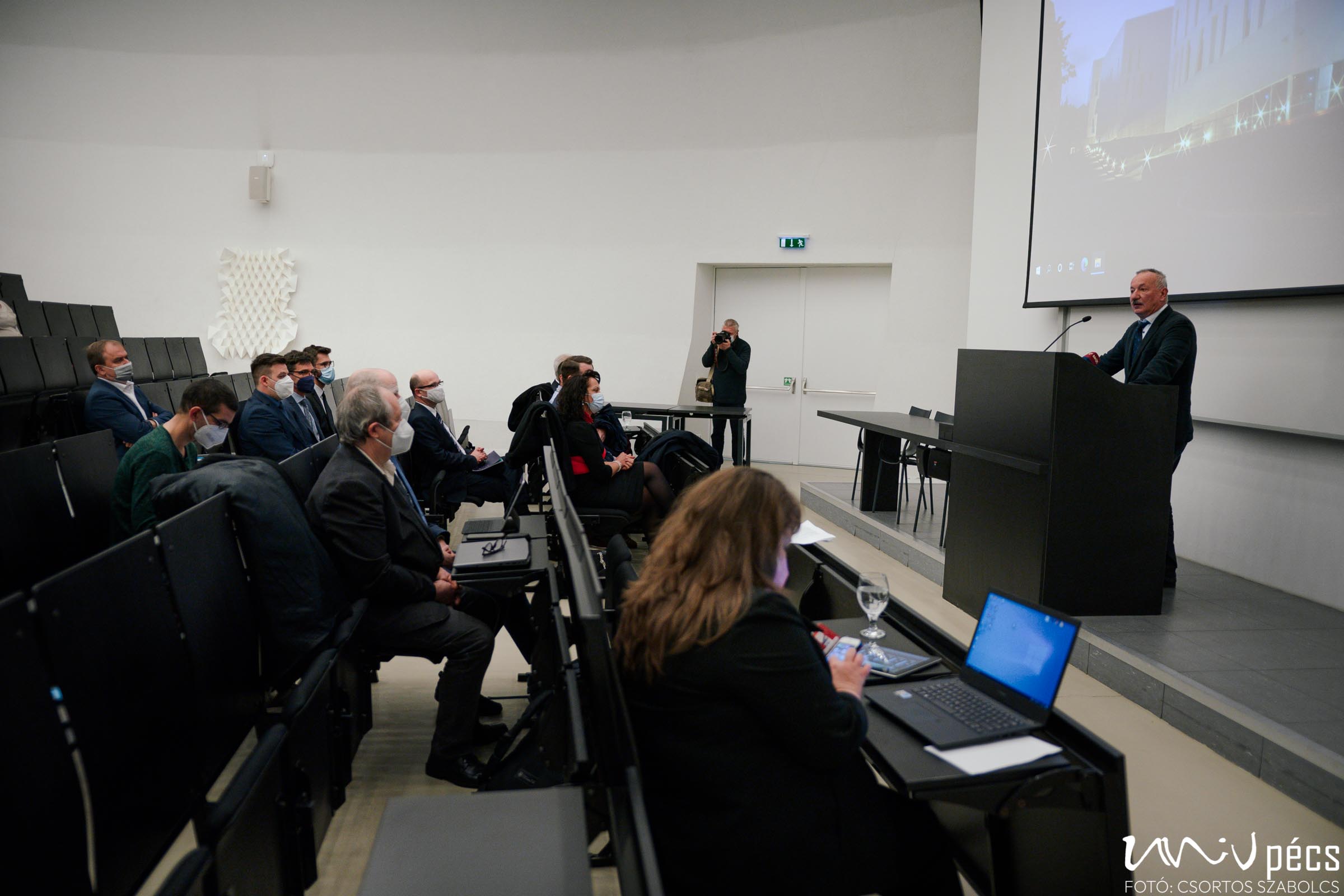
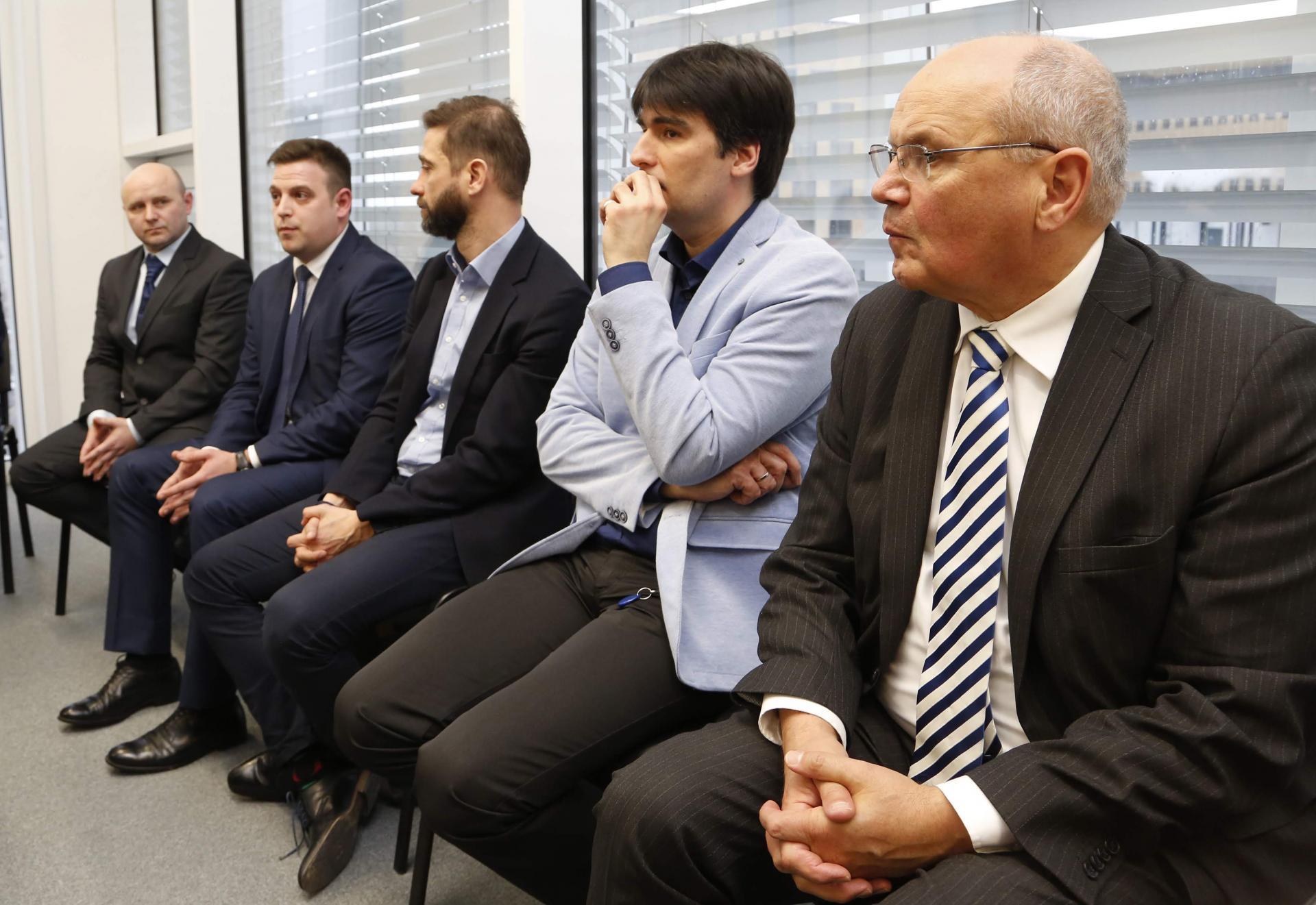
The Hungarian Center for Genomics and Bioinformatics of the János Szentágothai Research Center of the University of Pécs received the title of Excellent Research Infrastructure acknowledging its work and instrument park. The award was presented by László Palkovics, Minister of Innovation and Technology, on December 16, 2021 at the Szentágothai Research Center.
Winners receive an official certificate authorizing them to use the title. In addition, they are included in a searchable database on the NRDI website, as well as in a representative publication on the most important Hungarian research infrastructures. This helps in gaining visibility and in networking to form international research collaborations.
Video about the event: https://www.youtube.com/watch?v=llRv9eQZtuY